

For travellers
What Really Makes a Hotel Special: Atmosphere, Design and Experience
Think of the last hotel you truly remember. It’s probably not the mattress that stuck with you, nor the number of stars by the entrance. More likely the light falling through a linen curtain in the morning. The creak of an old wooden floor. The moment you stepped onto the terrace after a long day of travel and suddenly went quiet.
A special hotel is rarely the result of one big idea. It grows from many small decisions that fit together. If you want to discover special hotels, you learn to notice exactly those decisions – and often find places that don’t appear on any best-of list.
More than a good bed: what makes a hotel stay special
A comfortable bed, a clean bathroom and a friendly welcome are the foundation. They decide whether you sleep well. Whether you remember a hotel depends on something else: character.
Character shows when a place has a clear stance and its design, service and surroundings tell the same story. A small city hotel where the breakfast room turns into a wine bar in the evening. A country house that welcomes you with tea by the fireplace instead of a form. A hotel feels special when it gives you the sense of being in exactly this place – and nowhere else.
Architecture and hotel design: a property’s character
Architecture shapes how you experience a hotel before you’ve even checked in. How do you arrive? Through a narrow passage that opens onto a bright courtyard? Into a lobby with high ceilings that makes you pause for a moment? Transitions like these shape the first impression more than you might think.
Good hotel design works with proportions, sight lines and the relationship between inside and outside. A converted historic building can show its past rather than cover it up: old walls, exposed beams, staircases worn by use. A new building can frame the landscape, with large windows and terraces that guide the eye. What matters isn’t the style, but whether it’s carried through consistently.
Light, colour, materials: the quiet designers
You barely notice many impressions consciously – yet they decide whether you feel at ease:
- Light: daylight that falls differently into the room at every hour. Warm, dimmable light in the evening instead of a single bright ceiling lamp.
- Colour: tones that belong to the surroundings – sea, mountains or old town – instead of random trend colours.
- Materials: wood, stone, linen or ceramics that you enjoy touching and that grow more beautiful with time rather than worn.
- Layout: a reading nook by the window, an alcove with an armchair – retreats that don’t stand out on a floor plan but shape your stay.
- Acoustics: rooms where conversations sound soft and footsteps don’t echo.
These details make the difference between a room that looks good and one you want to stay in.
Lobby, restaurant, pool and garden: spaces that carry the mood
A hotel isn’t just its rooms. Often it’s the shared spaces that define its atmosphere. A lobby can be a mere passageway – or a living room where guests read, work and fall into conversation. A restaurant with an open kitchen feels completely different from one with soft lighting and white tablecloths.
Pools and outdoor areas have their own character too: the pool as a lively meeting point or a still basin between olive trees, the garden as a backdrop or a place where you actually spend time. What’s most interesting is how these spaces flow into each other – whether you step straight from breakfast into the garden or first walk down three corridors.
Location and surroundings: how a hotel speaks to its place
Extraordinary hotels rarely stand where they do by chance. They take in their surroundings: in the architecture, the materials, the kitchen, the view from the window. A city hotel can be part of its neighbourhood, with a café where locals drink their espresso too. A house in the mountains can blend into the landscape instead of dominating it.
Location also decides what you experience beyond the hotel. A hideaway at the end of a gravel road gives you peace – and seclusion. A design hotel in the old town puts you right in the middle of life – and sometimes in the soundscape of the street.
Boutique hotel, design hotel, resort or hideaway?
These terms aren’t official categories and are used in different ways. Still, they offer rough orientation:
- Boutique hotels are usually small, individually designed and personally run. After two days you often know the names of the people at reception.
- Design hotels put design at the centre. Architecture and interiors follow a clear concept – sometimes bold, sometimes deliberately pared back.
- Luxury resorts offer lots of space and lots of options: several restaurants, large pools, a spa and activities across extensive grounds.
- Hideaways are secluded retreats with few rooms, plenty of nature and a deliberately slow rhythm.
Which type suits you depends less on budget than on your preferences. Are you looking for inspiration and short distances into town? Peace and nature? Or a place you’ll hardly want to leave for a week?
Discover special hotels: why moving images show atmosphere
Atmosphere is hard to squeeze into a single photo. A picture shows a surface, a crop, a perfect moment. How a room opens up as you enter, how the light moves through the day and what the courtyard sounds like – only movement shows that.
A hotel tour connects the individual impressions: the walk from the lobby to the room, the view from the balcony, the transition to the pool. That way you can see whether a hotel’s design works as a whole or only in selected photos.
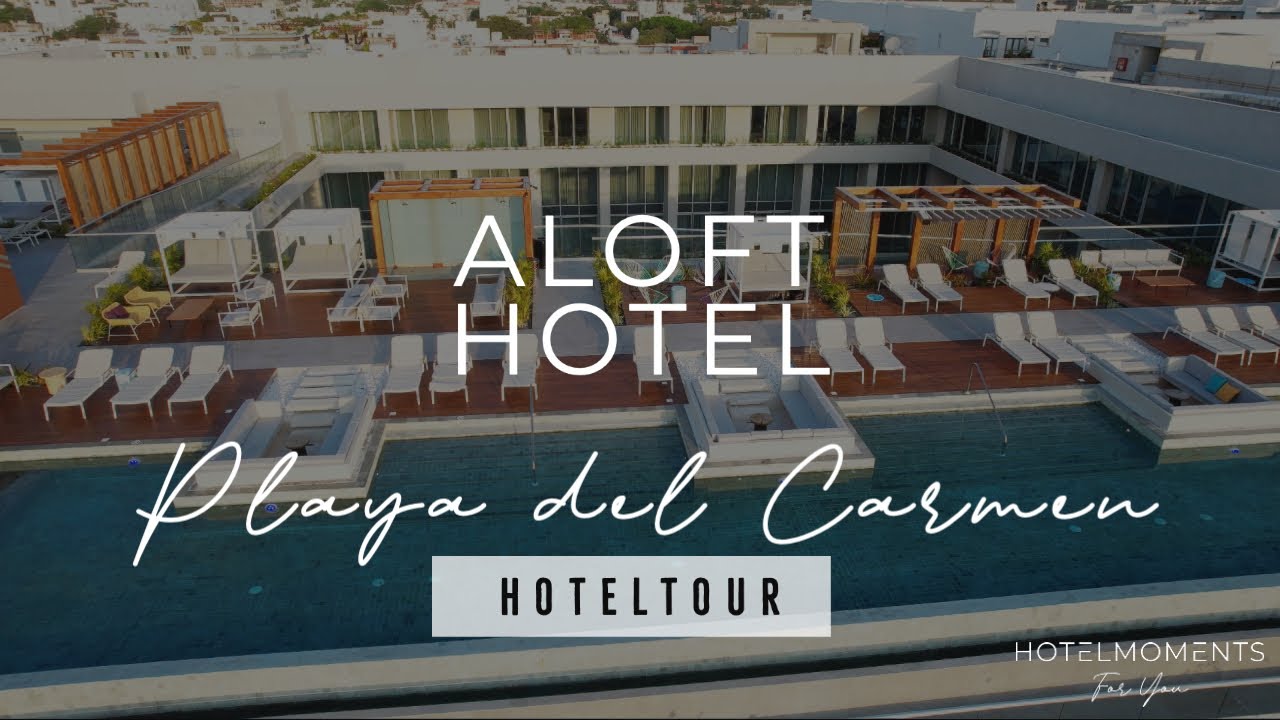
At Hotelmoments, that’s exactly how we show hotels. We stay several nights, film at different times of day and walk the routes you would walk as a guest. Our walkthroughs are meant to help you notice what makes a place special before you arrive:
 YouTube loads only after you click
Conclusion: more than stars and price
Stars say something about facilities and service; price says something about demand and the market. Neither fully captures what makes a hotel special: the light in the morning, the materials under your hands, the feeling of having arrived somewhere specific. If you pay attention to these things when choosing, you’re more likely to find places that truly suit you – sometimes exactly where you least expected them.
Looking for hotel inspiration? Take a look at our hotel tours. And if you know an extraordinary hotel we should definitely visit, recommend it to us.
* Affiliate link: if you book through it, we receive a small commission. Your price stays the same.